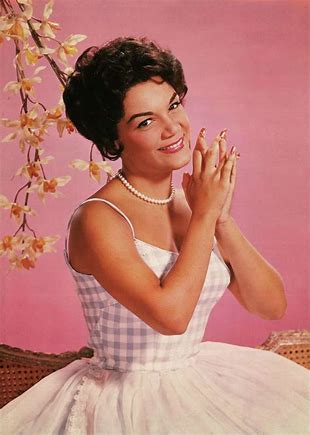
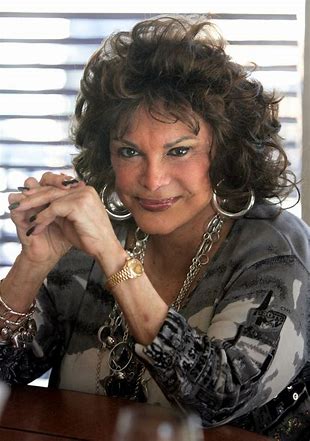
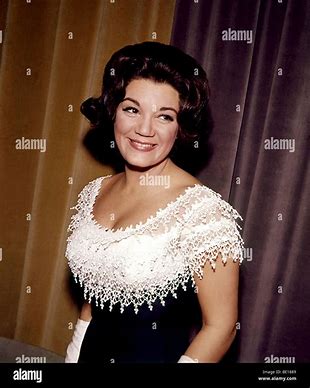
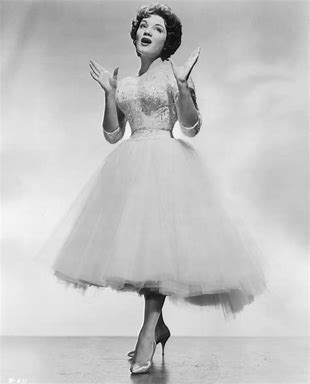
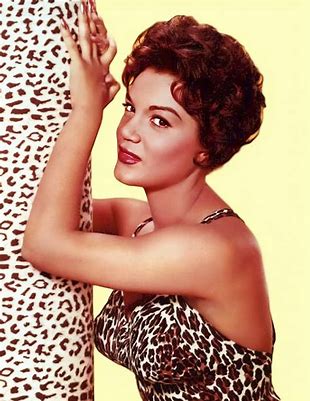
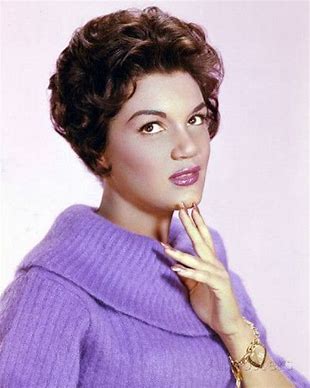
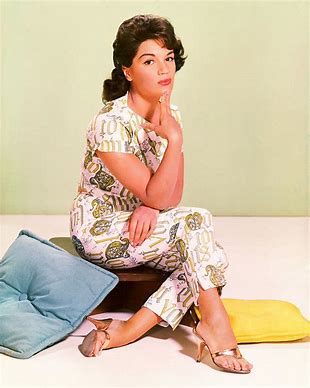
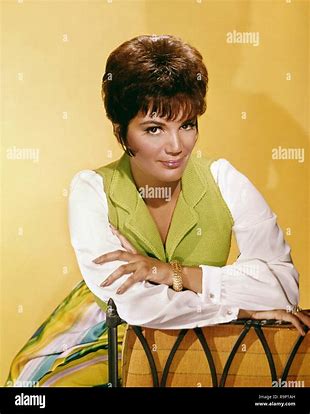

Full Name: Concetta Rosa Maria Franconero
Born: December 12, 1937, Newark, New Jersey, U.S.
Genres: Pop, Traditional Pop, Rock and Roll, Country, International
Instruments: Vocals, Accordion
Years Active: 1955–present
Labels: MGM Records, United Artists, Concetta Records
Early Life
Connie Francis was born Concetta Franconero to Italian-American parents in Newark, New Jersey, and raised in Brooklyn. Her father recognized her musical talent early on and was a major driving force behind her career. She began performing as a child on local talent shows and Italian radio programs, and by her teens, she was appearing on TV programs like Startime Kids.
Francis studied accordion and was initially torn between pursuing classical music and pop. Her father’s insistence that she sing in English, rather than Italian, eventually helped shape her crossover appeal.
Career Highlights
After a series of flop singles in the mid-1950s, Francis achieved her breakthrough with the ballad “Who’s Sorry Now?” in 1958. Originally written in 1923, the song was reworked with a modern arrangement, and its debut on American Bandstand propelled it to No. 4 on the Billboard charts. It became an international hit and launched her into superstardom.
She followed up with a string of major hits:
“Stupid Cupid” (1958)
“My Happiness” (1958)
“Lipstick on Your Collar” (1959)
“Among My Souvenirs” (1959)
“Everybody’s Somebody’s Fool” (1960) – her first No. 1 pop hit
“Where the Boys Are” (1961) – theme song to the film of the same name and another major hit
From 1958 to 1964, Connie Francis was one of the most successful female pop stars in the world, charting more than three dozen Top 40 hits and becoming the top-selling female vocalist of her era.
Musical Career
Connie Francis possessed a powerful, emotional voice that could span multiple genres, from rock and roll to country, torch ballads, and international standards. She sang fluently in over a dozen languages and recorded albums in German, Italian, Spanish, Hebrew, and Japanese, becoming one of the earliest global pop stars.
Her ability to connect with listeners across cultural and linguistic boundaries set her apart from her contemporaries. She frequently appeared on television, starred in several teen-oriented films, and performed globally, including in countries behind the Iron Curtain.
In the early 1960s, she successfully branched into country music and scored a hit with “The Wedding Cake”, among others. Her musical adaptability made her a fixture on the charts and a household name worldwide.
Film/TV Work
Connie starred in several popular teen films during her peak years:
Where the Boys Are (1960)
Follow the Boys (1963)
Looking for Love (1964)
When the Boys Meet the Girls (1965)
Her wholesome screen image and bright smile matched her girl-next-door appeal, further cementing her status as a teen idol of the early ’60s.
Later Years
Francis’s career was interrupted by personal tragedies, including a traumatic assault in 1974 that led her to withdraw from the public eye for years. She also battled mental health challenges and endured a lengthy legal battle with her record label.
Despite these struggles, she returned to performing in the 1980s, releasing new recordings, touring, and even penning a best-selling autobiography, Who’s Sorry Now? (1984). Her comeback was well-received, particularly among fans who had grown up with her music.
She continues to be revered by fans of classic pop and has remained active in musical and charitable causes.
Health Struggles
Francis faced significant health and emotional challenges, including depression and the long recovery from her assault. She was institutionalized several times and became an advocate for mental health awareness. Her resilience in returning to the spotlight made her an inspiration for many who admired her strength and candor.
Legacy
Connie Francis was the first woman to reach No. 1 on the Billboard Hot 100, paving the way for generations of female artists in pop music. Her success in multiple languages and genres helped redefine what a pop star could be.
Her voice, unmistakable and emotionally rich, became the soundtrack of late ’50s and early ’60s America. She influenced countless artists and remains one of the most iconic female vocalists of the 20th century.
With over 100 million records sold worldwide, Connie Francis remains a beloved figure in American music, and her songs continue to be celebrated by new generations of fans.