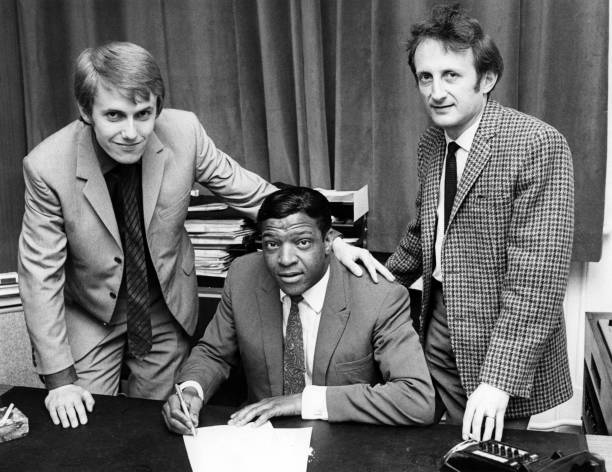
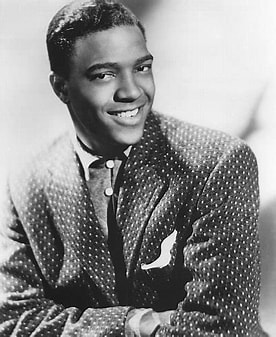
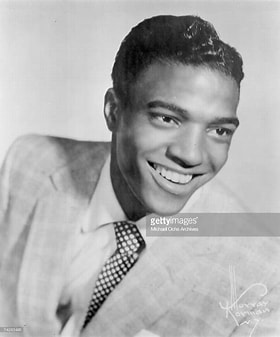
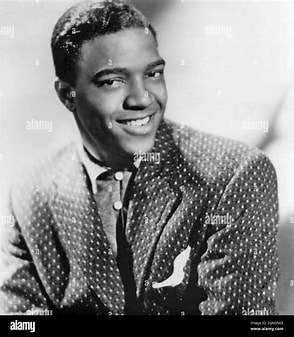
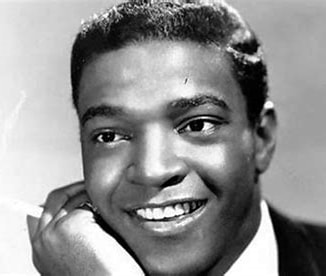
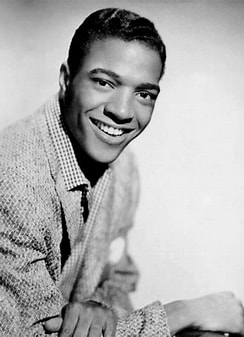


Full Name: Clyde Lensley McPhatter
Born: November 15, 1932 – Durham, North Carolina, USA
Died: June 13, 1972 – The Bronx, New York, USA (aged 39)
Genres: Rhythm and Blues, Doo-Wop, Soul, Rock and Roll, Gospel
Instruments: Vocals
Years Active: 1950–1972
Labels: Atlantic, MGM, Mercury, Deram, Decca
Early Life
Clyde McPhatter was born into a deeply religious family in Durham, North Carolina, and raised in the church. His father was a Baptist minister, and gospel music was the foundation of his early vocal training. The family moved to New Jersey and then to Harlem, New York, during Clyde’s teenage years. He sang in the Mount Lebanon Singers, a popular gospel group in Harlem, developing his distinctive tenor and falsetto blend that would later define much of early rock and R&B.
By the time he was 18, McPhatter was already making waves in gospel circles, but he soon transitioned to secular music, joining Billy Ward & the Dominoes in 1950.
Career Highlights
Billy Ward & the Dominoes (1950–1953)
Clyde’s career took off when he joined Billy Ward & the Dominoes as lead tenor. His passionate, gospel-influenced vocals on hits like “Sixty Minute Man” and “Have Mercy Baby” helped define the emerging R&B style and brought the Dominoes significant success.
However, tensions with Ward over credit and compensation led to McPhatter’s departure in 1953.
The Drifters (1953–1954)
Atlantic Records signed McPhatter and encouraged him to form a new group, which became The Drifters. With McPhatter as the central voice and creative force, they scored major hits including:
“Money Honey” (1953)
“Such a Night” (1954)
“Honey Love” (1954)
This version of the Drifters, sometimes referred to as “Clyde McPhatter & the Drifters,” helped lay the foundation for doo-wop and soul music.
In 1954, McPhatter was drafted into the U.S. Army, interrupting his career but not halting his rise.
Solo Career (1955–1972)
After his discharge, McPhatter launched a successful solo career. Early hits included:
“A Lover’s Question” (1958) – #6 Pop, #1 R&B
“Treasure of Love” (1956) – #1 R&B
“Without Love (There Is Nothing)” (1957) – a deeply emotional ballad showcasing his vocal control
His solo work blended R&B with mainstream pop, gospel phrasing, and early soul stylings. Though his commercial peak was in the late ’50s, he continued recording through the 1960s, experimenting with different styles and labels.
Musical Style and Influence
McPhatter’s signature sound was a mix of high tenor, falsetto, and gospel melisma. He brought spiritual intensity and vocal agility to secular music, helping to transform rhythm and blues into a more polished, emotional, and commercially viable sound. He was a bridge between gospel and soul, and among the first artists to embody what would become known as soul music.
He influenced generations of singers, including Sam Cooke, Smokey Robinson, Jackie Wilson, Marvin Gaye, and Ben E. King. In many ways, Clyde McPhatter was the template for the modern R&B vocalist.
Personal Life and Health Struggles
Despite his success, McPhatter struggled with depression, alcoholism, and the burden of being a pioneering figure with limited financial rewards. He felt overlooked and underappreciated, famously lamenting that he was “the most successful failure in the business.”
His erratic personal life and declining health led to fewer recordings and performances in the late ’60s and early ’70s. He died of heart, liver, and kidney complications related to alcohol abuse on June 13, 1972, at the age of just 39.
Legacy and Cultural Impact
Clyde McPhatter is one of the most important figures in early rock and R&B history. He was:
One of the first ten inductees into the Rock and Roll Hall of Fame (1987),
The first artist inducted twice: as a solo artist and with the Drifters, inspiring the Hall’s “Clyde McPhatter Club” for multiple inductees.
“Money Honey,” “A Lover’s Question,” and “Without Love” are staples of American music history. His vocal style continues to reverberate through R&B and soul music to this day.
Legacy Summary
Though his name may not be as universally recognized as those he influenced, Clyde McPhatter’s voice helped shape the sound of modern popular music. He brought gospel fervor to R&B and laid the foundation for soul, and his recordings remain benchmarks of heartfelt, impassioned singing from the golden age of rock ‘n’ roll.