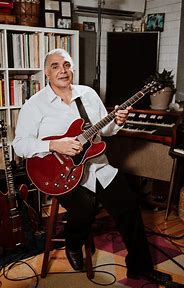
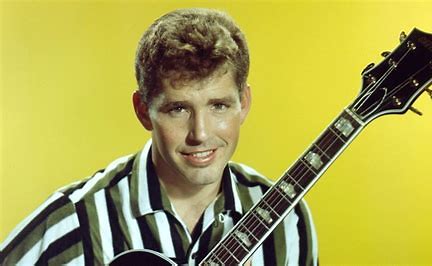
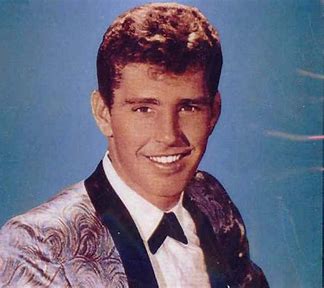

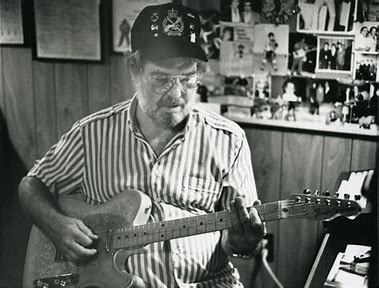
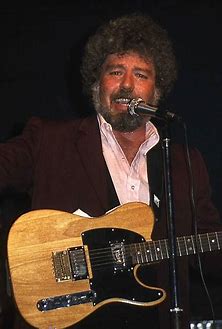
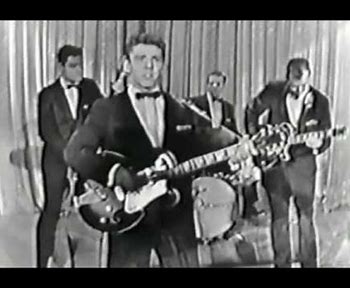
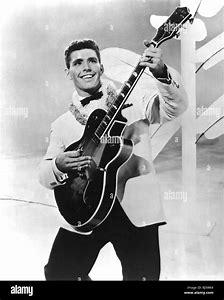
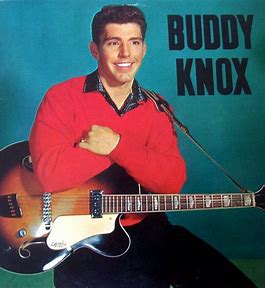
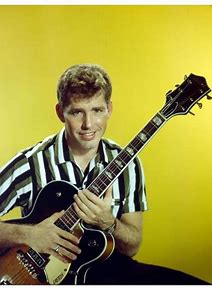
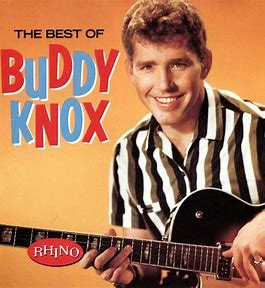

Full Name: Buddy Wayne Knox
Born: July 20, 1933 – Happy, Texas, USA
Died: February 14, 1999 – Bremerton, Washington, USA
Genres: Rockabilly, Rock and Roll, Country
Instruments: Vocals, Guitar
Years Active: 1956–1999
Labels: Roulette, Liberty, United Artists, MCA, Warner Bros.
Early Life
Buddy Wayne Knox was born in Happy, Texas, and raised in the nearby town of Happy Valley — a suitably cheerful beginning for someone who’d later bring joy to millions with his music. A natural performer from a young age, Knox picked up the guitar as a teenager and began singing in high school.
After serving in the U.S. Army, he enrolled at West Texas State College in Canyon, where he joined forces with Jimmy Bowen and Don Lanier to form The Rhythm Orchids. The group specialized in the new, hip sounds sweeping the South — a mix of country, rhythm & blues, and a rebellious new style called rockabilly.
Career Highlights
In 1956, Buddy Knox and The Rhythm Orchids traveled to Clovis, New Mexico, to record at the legendary Norman Petty Studios, the same place where Buddy Holly would also launch his career. There, they cut what would become one of the biggest hits of the early rock era:
“Party Doll” (1957) – A #1 hit on the Billboard chart and a rockabilly anthem
“Rock Your Little Baby to Sleep” (1957) – Top 20 hit, reinforcing Knox’s chart power
“Hula Love” (1957) – A playful, Hawaiian-tinged rocker that reached #9
“Somebody Touched Me” (1958) – A gospel-inflected foot-stomper
“Party Doll” was revolutionary — a self-penned, self-recorded hit at a time when few artists wrote their own material. Its infectious groove, combined with Knox’s easy charm and boy-next-door vocals, helped it sell over a million copies and earn a gold disc.
Musical Career
Knox was among the first wave of rock and roll pioneers, bringing a lighter, country-tinged style to the scene that contrasted with the rougher edges of Elvis and Jerry Lee Lewis. His music was steeped in rockabilly, but his melodic sense and sweet tenor voice also made him appealing to pop audiences.
As his rock ‘n’ roll stardom waned in the 1960s, Knox successfully transitioned into country music, a move that extended his career for decades. He recorded several country albums and enjoyed moderate success on the country charts, especially in Canada, where he toured frequently and lived for a time.
He performed well into the 1990s, appearing at oldies shows, festivals, and on television specials celebrating early rock pioneers.
Film/TV Work
While not primarily known as a film or TV personality, Knox made appearances on numerous musical variety shows, including:
American Bandstand
The Ed Sullivan Show
The Steve Allen Show
His clean-cut look and smooth vocals made him a favorite with teenage audiences and a safe bet for prime-time television during rock’s early years.
Later Years
In his later career, Buddy Knox continued to tour internationally, performing both his classic hits and newer country material. He relocated to Canada for a period in the 1980s and became something of a cult hero among rockabilly and vintage rock fans.
In the 1990s, he was diagnosed with lung cancer and eventually returned to the U.S. for treatment. He passed away on February 14, 1999, in Bremerton, Washington, at the age of 65.
Cultural Impact and Legacy
Buddy Knox may not be as widely remembered as some of his rock ‘n’ roll peers, but his influence and achievements are significant:
He was one of the first rock artists to write and record his own #1 hit, setting a standard for generations of singer-songwriters.
“Party Doll” remains a rockabilly classic, often included in retrospectives of 1950s music.
He helped define the softer, melodic side of early rock, paving the way for artists like Ricky Nelson and Bobby Vee.
His transition to country music showed a versatility that many of his contemporaries couldn’t match.
He may have hailed from a town called Happy, but it was Buddy Knox’s hard work, talent, and timeless tunes that earned him a lasting place in the story of American music.