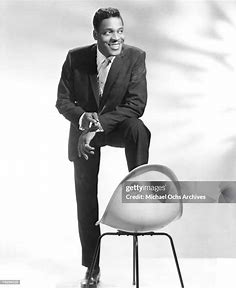
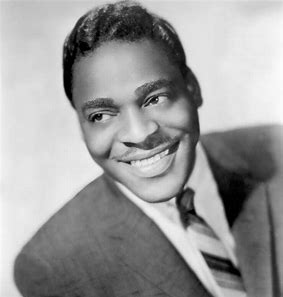
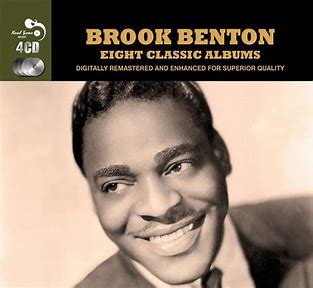
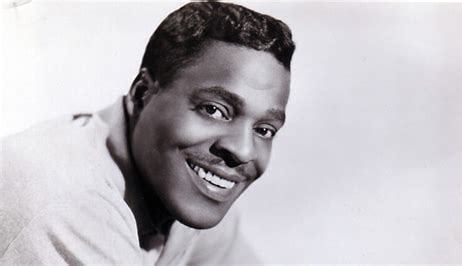
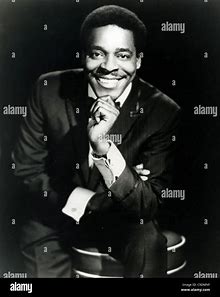
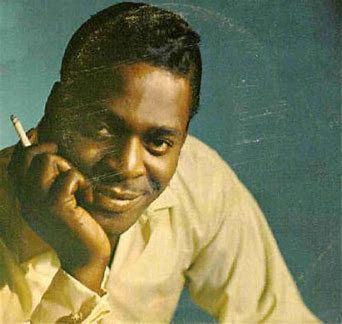
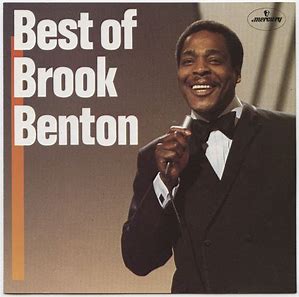

Full Name: Benjamin Franklin Peay (professionally known as Brook Benton)
Born: September 19, 1931 – Lugoff, South Carolina, USA
Died: April 9, 1988 – Queens, New York, USA
Genres: R&B, Soul, Pop, Gospel
Instruments: Vocals, Piano
Years Active: 1948–1988
Labels: Mercury, RCA, Cotillion, Reprise
Early Life
Brook Benton was born Benjamin Franklin Peay in the small town of Lugoff, South Carolina. Raised in a deeply religious family, Benton sang in his father’s Methodist church choir from a young age and learned the fundamentals of harmony and vocal technique through gospel music.
In his late teens, he moved to New York City to pursue music full-time. He began as a gospel singer with groups like The Langfordaires and The Jerusalem Stars, but his ambitions soon led him into R&B and pop.
Career Highlights
Benton first found success not as a performer, but as a songwriter, penning hits for other artists including Nat King Cole and Clyde McPhatter. His own breakthrough came in the late 1950s when he signed with Mercury Records and scored a string of major hits, many of which showcased his rich baritone and warm, intimate delivery.
Some of his biggest hits include:
“It’s Just a Matter of Time” (1959) – a #1 R&B hit and #3 Pop hit
“Endlessly” (1959) – a romantic ballad that showcased his crooner charm
“So Many Ways” (1959)
“Kiddio” (1960)
“The Boll Weevil Song” (1961) – a humorous hit that reached #2 on the Billboard Hot 100
“Rainy Night in Georgia” (1970) – a soulful, haunting track that became a late-career signature and R&B chart-topper
Benton also had a successful duet partnership with Dinah Washington, producing hits like:
“Baby (You’ve Got What It Takes)” (1960)
“A Rockin’ Good Way (To Mess Around and Fall in Love)” (1960)
Musical Career
Brook Benton was a genre-blender long before it was fashionable. He moved effortlessly between gospel, R&B, pop, and soul—always grounded in his gospel roots but never boxed in by them.
He had a natural storytelling ability, whether he was delivering a playful novelty song or a gut-wrenching ballad. His voice was smooth, sophisticated, and deeply expressive, earning him comparisons to Nat King Cole and paving the way for soul crooners like Lou Rawls and Barry White.
Throughout the 1960s, his chart presence faded slightly, but he continued recording prolifically and maintained a strong touring career. His comeback in 1970 with “Rainy Night in Georgia”—written by Tony Joe White—was both critically acclaimed and commercially successful, reestablishing him as a major force in soul music.
Film/TV Work
While not widely known for acting, Benton made appearances on musical variety shows throughout the ‘50s and ‘60s, including:
American Bandstand
The Ed Sullivan Show
Soul Train
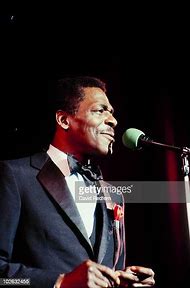
His suave style and velvety voice made him a natural fit for television and live performance settings.
Later Years
Brook Benton continued to record and perform throughout the 1970s and early ’80s, focusing on soul, jazz-tinged ballads, and occasional gospel projects. He battled health issues in his later years but kept active in music until shortly before his death.
He passed away from complications related to spinal meningitis on April 9, 1988, at the age of 56.
Cultural Impact and Legacy
Brook Benton left a mark that can still be felt in multiple musical genres:
He was a pioneer of crossover R&B/pop success, helping to bridge the gap between Black R&B audiences and mainstream white pop radio
His songwriting legacy includes contributions to early rock and soul classics
“Rainy Night in Georgia” remains a touchstone of 1970s soul, covered by artists like Randy Crawford, Chris Young, and more
He earned multiple gold records, and his duet work with Dinah Washington remains among the most beloved male-female vocal pairings in soul history.
Though sometimes overshadowed by flashier contemporaries, Benton’s elegance, consistency, and vocal warmth earned him a loyal following and the respect of fellow musicians across generations.