
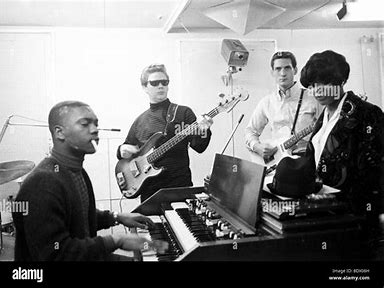


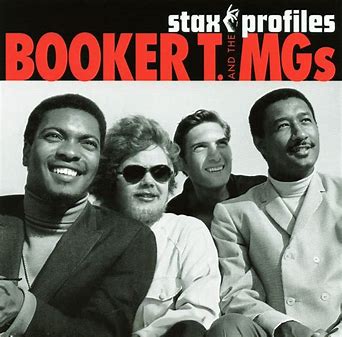
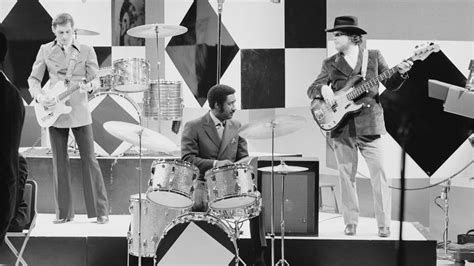



Full Name: Booker T. & the MG’s (originally “Memphis Group”)
Members (Classic Lineup):
Booker T. Jones – Keyboards, Organ
Steve Cropper – Guitar
Donald “Duck” Dunn – Bass
Al Jackson Jr. – Drums
Genres: Soul, R&B, Instrumental Rock, Funk
Years Active: 1962–1971, with reunions in later years
Labels: Stax Records, Atlantic, Columbia
Associated Acts: Otis Redding, Sam & Dave, Wilson Pickett, Isaac Hayes
Early Formation and Origins
Formed in Memphis in the early 1960s, Booker T. & the MG’s (originally “Memphis Group”) were assembled as the house band for Stax Records, one of the key soul labels of the era. They were one of the first racially integrated groups in popular music, with black and white musicians working side by side in the segregated South—a powerful statement in its own right.
The group’s name came from organist Booker T. Jones and an ambiguous reference to “MG”—which some said stood for “Memphis Group” (though others cheekily claimed it was short for the British car, the MG). Either way, the name stuck, and so did the sound.
Career Highlights
Their very first single, “Green Onions” (1962), became a massive instrumental hit, with its gritty, infectious groove showcasing the unmistakable Hammond organ of Booker T. Jones and the tight rhythm section behind him. The song became a cornerstone of 1960s soul and remains one of the most iconic instrumental tracks in pop music history.
Over the years, the group recorded a string of successful albums and singles, including:
“Hip Hug-Her” (1967)
“Time Is Tight” (1969)
“Soul Limbo” (1968) – famously used as the theme for BBC cricket coverage
“Melting Pot” (1971) – their final album with the original lineup
At the same time, they backed nearly every major artist at Stax Records—Otis Redding, Sam & Dave, Carla Thomas, Wilson Pickett, Albert King, and more—playing on hundreds of recordings that defined Southern soul.
Musical Career
Booker T. & the MG’s were more than just a backing band—they were architects of the Stax sound, known for its raw, funky, and deeply emotive grooves. Their style was characterized by:
Booker T. Jones’ Hammond B3 organ lines, providing both melody and rhythm
Steve Cropper’s sparse, bluesy guitar licks
Donald “Duck” Dunn’s deep, warm bass lines
Al Jackson Jr.’s impeccable, soulful drumming, often referred to as the “human metronome”
They seamlessly blended R&B, soul, blues, funk, and pop, creating tight instrumental tracks that were as expressive as any vocal performance.
Later Years and Reunions
Tragedy struck in 1975 when drummer Al Jackson Jr. was murdered, a devastating loss to the music world. The group disbanded but periodically reunited for special performances and recordings, with musicians like Willie Hall, Steve Jordan, and Anton Fig filling in on drums.
In 1994, they played as Eric Clapton’s backing band on his “From the Cradle” tour and were later chosen as the house band for Bob Dylan’s 30th Anniversary Concert Celebration.
In 2003, they received a Grammy Lifetime Achievement Award, a fitting tribute to their enormous influence.
Cultural Impact and Legacy
Booker T. & the MG’s were trailblazers in music and society:
They helped define the Southern soul sound, rivaling Motown in its impact
They were one of the first racially integrated bands, breaking barriers on stage and in the studio
Their influence spread to generations of musicians, from the Rolling Stones and the Beatles to modern funk and soul revivalists
Their grooves are still sampled, studied, and celebrated in music schools and recording studios around the world.
“Green Onions” was inducted into the Grammy Hall of Fame, and the group itself was inducted into the Rock and Roll Hall of Fame in 1992.
Conclusion
Booker T. & the MG’s weren’t just session musicians—they were innovators, soul ambassadors, and genre-blenders who elevated instrumental music to new heights. With a sound that was both earthy and elegant, they left an indelible mark on American music, and their influence can still be heard wherever deep grooves and tight rhythms reign.