
Full Group Name: The Crests
Origin: New York City, New York, USA
Genres: Doo-Wop, R&B, Pop
Years Active: 1957–1962 (original group), later revivals
Labels: Coed Records, Joyce Records
Early Life
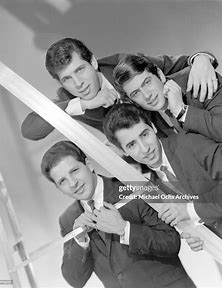
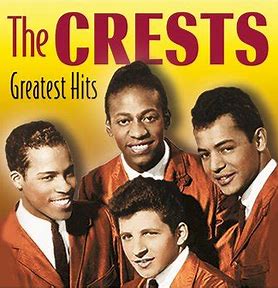
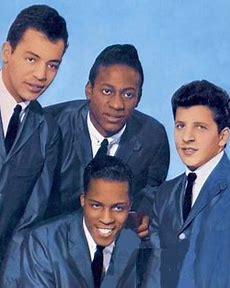
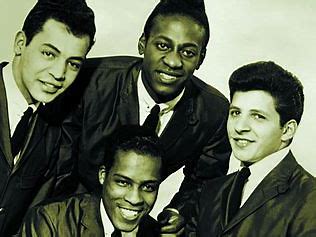
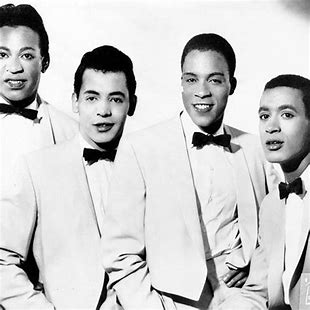
The Crests were formed in 1957 by J.T. Carter, a bass singer who envisioned something quite radical for the time: a racially integrated doo-wop group. Hailing from New York City, the original lineup included Johnny Maestro (lead vocals), Patricia Van Dross (sister of Luther Vandross), Talmadge Gough, Harold Torres, and Carter himself. The group’s formation marked a groundbreaking moment in music—not only for its sound, but also for its diversity.
Career Highlights
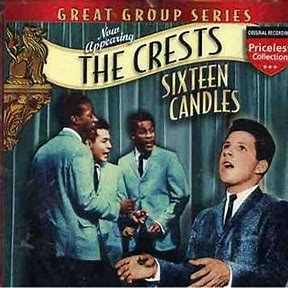
The group’s first recording efforts didn’t make much noise, but their big break came with the release of “16 Candles” in 1958. A teenage love ballad drenched in harmony and heartfelt sentiment, it became a doo-wop classic, climbing to #2 on the Billboard Hot 100 and selling over a million copies.
“16 Candles” would forever be their signature song, but The Crests followed it up with several other charting hits, including:
“Step by Step” (1960)
“The Angels Listened In” (1959)
“Trouble in Paradise” (1960)
Musical Career
The Crests’ musical style was a blend of smooth harmonies, romantic lyrics, and pop-influenced arrangements, making them one of the more polished acts of the doo-wop era. They stood out not only for their talent but also for their racially integrated lineup, which was rare—and at times controversial—in 1950s America.
Their sound was clean and radio-friendly, appealing to both Black and white teenage audiences. Johnny Maestro’s golden voice was often compared to the best crooners of the era, giving the group a cross-market appeal that many doo-wop groups aspired to.
In 1961, Maestro left the group to pursue a solo career and later found success with The Brooklyn Bridge (“The Worst That Could Happen”). The Crests carried on briefly with new lead singers, but they never recaptured the same momentum and officially disbanded around 1962.
Film/TV Work
“16 Candles” enjoyed a pop culture resurgence thanks to its inclusion in the 1984 John Hughes film of the same name. The film brought the Crests’ classic tune to a whole new generation, much as Dirty Dancing did for The Contours.
The group and their music have been featured in various doo-wop compilations and television retrospectives focused on the golden age of rock ’n’ roll.
Later Years
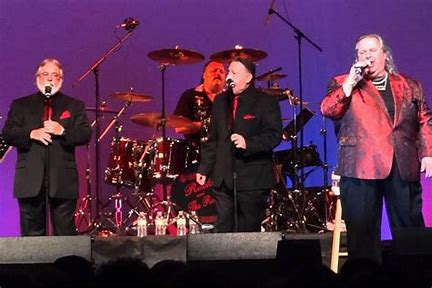
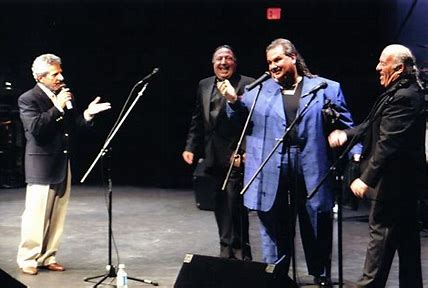
J.T. Carter continued to tour and keep The Crests’ name alive with new lineups over the years, and the group was a fixture on the oldies circuit well into the 2000s. Sadly, Johnny Maestro passed away in 2010, but his voice and legacy remain integral to the group’s story.
J.T. Carter has been recognized for his historic role in creating one of the first integrated vocal groups in American music, earning accolades and appearances at music history events.
Cultural Impact
The Crests were not just a talented doo-wop group—they were cultural trailblazers. In an era when segregation was still deeply entrenched, they proved that music could transcend racial boundaries and bring people together.
“16 Candles” remains a staple of the doo-wop genre and a symbol of teenage innocence and romance. Their success helped pave the way for other integrated groups and underscored the changing social tides of post-war America.
From street corners to silver screens, The Crests carved out a permanent place in rock ’n’ roll history—with a little harmony and a whole lot of heart.