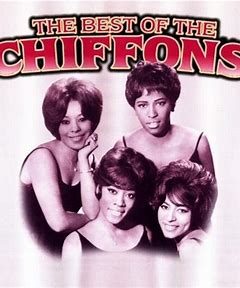
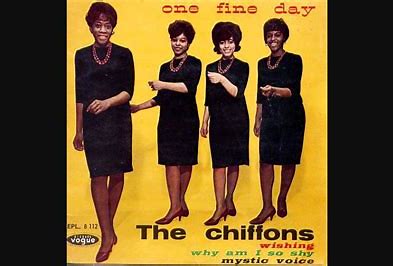
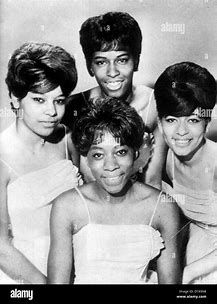
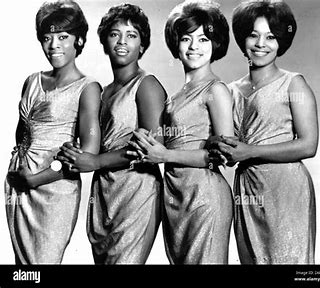
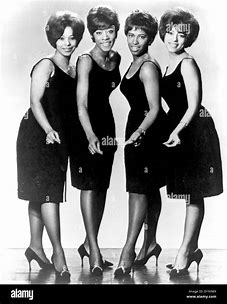

Full Name: The Chiffons
Formed: 1960
Origin: The Bronx, New York City, USA
Genres: Pop, Doo-Wop, Girl Group, R&B
Years Active: 1960–1992 (original era), occasional reunions
Labels: Laurie Records
Early Life and Formation
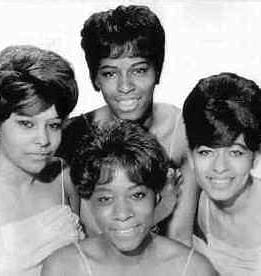
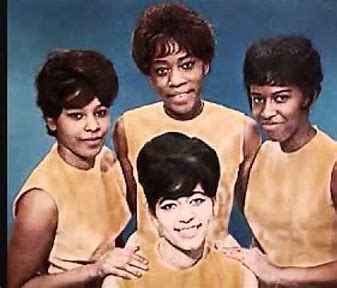
The Chiffons were formed by four teenage girls attending James Monroe High School in the Bronx, New York, around 1960. The original lineup was:
Judy Craig (lead vocals)
Patricia Bennett
Barbara Lee
Sylvia Peterson (joined shortly after the group’s first recording)
Originally singing under the name The Four Pennies, the group was discovered by songwriter and producer Ronnie Mack, who penned what would become their breakout hit. The girls were signed to Laurie Records, a label known for its work with doo-wop and emerging girl groups.
Breakthrough Moment
In early 1963, The Chiffons released “He’s So Fine”, written by Ronnie Mack and produced by The Tokens (of “The Lion Sleeps Tonight” fame). With its catchy “doo-lang doo-lang doo-lang” hook and Judy Craig’s shimmering lead vocal, the song soared to #1 on the Billboard Hot 100 in March 1963.
Tragically, Ronnie Mack died of cancer shortly after the song hit, at just 23 years old.
Despite the loss, the Chiffons were firmly established as a leading girl group of the early 1960s.
Musical Style
The Chiffons’ sound was a blend of doo-wop harmonies, pop melodies, and the sweet, yearning vocals that defined the girl group era. Their music often featured:
Romantic lyrics with teenage themes
Layered backing vocals that gave their tracks a rich texture
Tight, catchy arrangements typical of the Brill Building pop scene
Judy Craig’s clear, bright voice gave the group a distinctive sound that set them apart from contemporaries like The Shirelles or The Ronettes.
Key Hits and Discography
Hit Singles
“He’s So Fine” (1963) – #1 Pop, #1 R&B
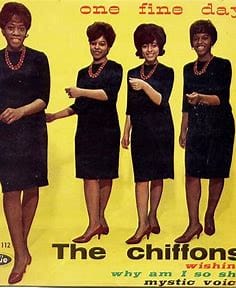
“One Fine Day” (1963) – #5 Pop (written by Carole King & Gerry Goffin)
“Sweet Talkin’ Guy” (1966) – #10 Pop
“I Have a Boyfriend” (1963) – Top 40
“A Love So Fine” (1963) – Moderate hit
“Stop, Look and Listen” (1966) – Regional success
Notable Albums
He’s So Fine (1963)
Sweet Talkin’ Girls (1966)
Their catalog included original songs as well as covers and lesser-known Brill Building compositions, all delivered with polished vocal work.
Later Years and Lineup Changes
By the mid-1960s, the girl group sound had begun to wane with the rise of British Invasion acts. Despite this, The Chiffons scored a surprise comeback with “Sweet Talkin’ Guy” in 1966, a hit that showed their lasting appeal.
The group continued recording into the late ’60s, and though hits became rarer, they remained popular on the oldies circuit for decades. Various touring versions of The Chiffons existed into the 1980s and 1990s, often featuring original members Judy Craig and Patricia Bennett.
Tragically, Barbara Lee passed away in 1992, after which Craig and Bennett ceased full-time touring, though Craig has occasionally performed in revival shows.
Influence and Cultural Impact
The Chiffons were one of the definitive girl groups of the early 1960s, their sound emblematic of the Brill Building era of songwriting and production. Their success helped pave the way for other young female vocal groups, particularly African-American performers, in the pop mainstream.
Their debut hit “He’s So Fine” became the subject of one of pop’s most famous lawsuits—George Harrison’s “My Sweet Lord” was found to have plagiarized its melody, leading to a landmark copyright ruling in 1976.
Legacy
Though not as frequently cited as The Supremes or The Ronettes, The Chiffons’ enduring melodies, sparkling harmonies, and heartfelt teen emotion have made them a lasting symbol of the girl group era.
“He’s So Fine” remains one of the quintessential tracks of the early ’60s.
“One Fine Day” is widely considered a pop classic, covered by dozens of artists over the years.
Their music has appeared in films, commercials, and retrospectives celebrating early rock and girl group history.
The Chiffons were inducted into the Vocal Group Hall of Fame in 2004, a testament to their lasting contributions to American pop.