

Full Name: The Cascades
Formed: 1960
Origin: San Diego, California, USA
Genres: Pop, Soft Rock, Doo-Wop
Years Active: 1960–1975 (sporadic reunions thereafter)
Labels: Valiant, Warner Bros., RCA Victor, GNP Crescendo
Early Life and Formation
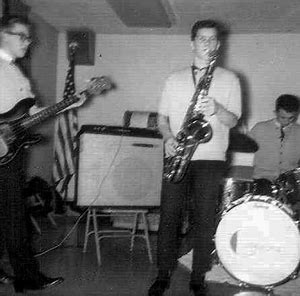
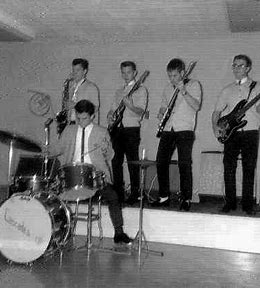
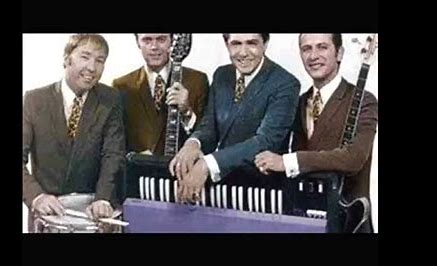
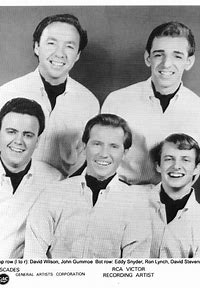
The Cascades originated from San Diego, California, in the early 1960s, originally formed by U.S. Navy personnel stationed at the Naval base in San Diego. The group’s founding members included John Gummoe (lead vocals), Eddie Snyder, Dave Wilson, Dave Stevens, and Art Eastlick. While on active duty, they performed locally under various names before finally settling on The Cascades, inspired by a box of dishwashing detergent with the same name.
The band was heavily influenced by the harmonies of groups like The Four Preps and The Beach Boys, as well as the cleaner pop sensibilities emerging in the pre-British Invasion era.
Breakthrough Moment
The group’s big break came in 1962 after signing with Valiant Records and working with producer Barry De Vorzon. Their second single, “Rhythm of the Rain,” released in November 1962, became a massive hit in early 1963.
The track, written by lead singer John Gummoe, captured the mood of a melancholy love story set to the sound of falling rain and gentle harmonies. It climbed to #3 on the Billboard Hot 100 and reached #1 in several countries, including Canada and Ireland. It sold over one million copies and was awarded a gold disc.
Musical Style
The Cascades were known for their smooth harmonies, lush arrangements, and sentimental themes, placing them stylistically between the tail end of the doo-wop era and the burgeoning soft rock movement of the early ’60s. Their songs often featured layered vocal harmonies, romantic lyrics, and a soft, melodic tone. “Rhythm of the Rain” is notable for its atmospheric use of rain sound effects and the celesta, lending it a dreamy quality.
Key Hits and Discography
Hit Singles
“Rhythm of the Rain” (1962) – #3 US, #1 Canada, Ireland; a global hit.
“Shy Girl” (1963) – minor chart success.
“Last Leaf” (1963) – received regional airplay.
Albums
Rhythm of the Rain (1963) – Featured their breakout hit and other harmony-driven pop tunes.
Later compilations and reissues kept the group’s legacy alive, particularly in Southeast Asia where they remained popular.
Later Years and Legacy
Despite the initial success of “Rhythm of the Rain,” The Cascades struggled to replicate its massive popularity. Lineup changes and evolving musical tastes during the British Invasion made it difficult for the group to maintain momentum. John Gummoe eventually left the band to pursue a solo career.
However, the group found renewed interest overseas, especially in the Philippines and Southeast Asia, where they maintained a fan base and performed well into the 1970s and even reformed for nostalgic tours.
“Rhythm of the Rain” remains a timeless classic, frequently covered by artists including Dan Fogelberg, Jason Donovan, and Neil Sedaka. The song was listed at #9 on BMI’s Top 100 Songs of the Century (measured by radio airplay), cementing its place in pop history.
Influence and Cultural Impact
The Cascades are best remembered for their single contribution to the American pop canon, but that contribution has been enduring. “Rhythm of the Rain” is considered one of the quintessential soft pop songs of the early ’60s and a bridge between the clean-cut era of American music and the seismic changes brought by the British Invasion.
Their music is often featured on oldies radio and in nostalgic soundtracks, including its use in films and TV shows to evoke early ’60s Americana.
Legacy
Though often considered a “one-hit wonder,” The Cascades left a lasting impression through their artistry and harmony-rich sound. “Rhythm of the Rain” continues to be celebrated as one of the most beautifully crafted pop songs of its era, ensuring that the band’s name remains part of the golden age of rock ‘n’ roll and soft pop.