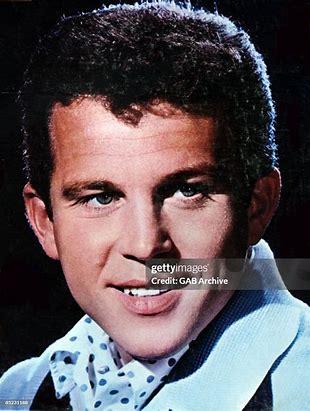
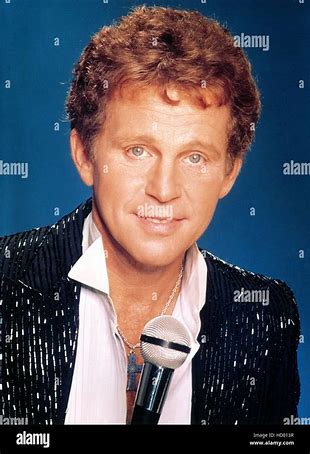
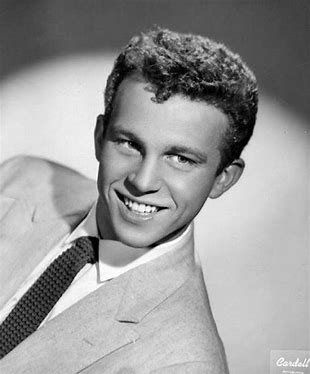
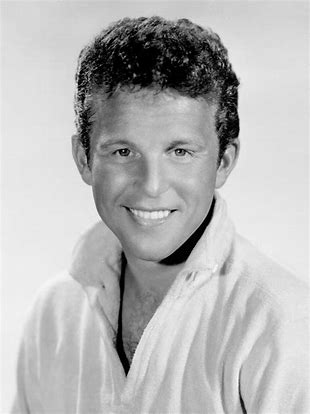
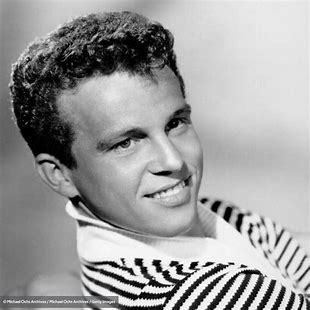
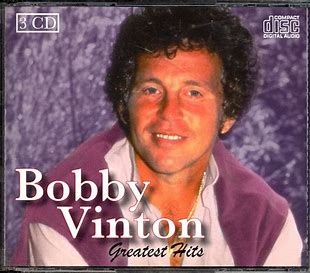
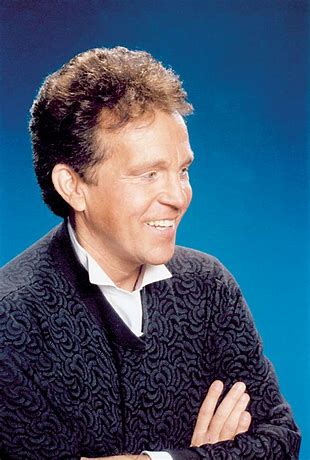
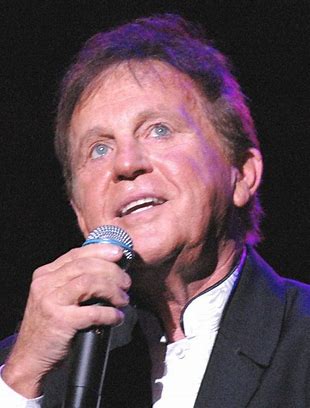

Full Name: Stanley Robert Vinton Jr.
Born: April 16, 1935 – Canonsburg, Pennsylvania, USA
Genres: Pop, Traditional Pop, Easy Listening
Instruments: Vocals, Clarinet, Piano, Saxophone, Trumpet, Oboe
Years Active: 1958–present (semi-retired)
Labels: Epic Records, ABC Records, Canadian American Records
Early Life
Bobby Vinton was born into a musical family in Canonsburg, Pennsylvania, the same hometown as another crooner, Perry Como. His father, Stan Vinton, was a popular bandleader in the Pittsburgh area, and Bobby followed in his footsteps. A classically trained musician, Vinton learned to play over a dozen instruments and earned a degree in music composition from Duquesne University.
He formed his own band in college, performing around the Pittsburgh area and funding his own early recordings. Though his musical ambitions leaned toward bandleading, fate had other plans for his velvet voice.
Career Highlights
Vinton signed with Epic Records in 1960, originally as a bandleader, but when a demo featuring his vocals on a song called “Roses Are Red (My Love)” (1962) caught fire, his label pivoted—and so did his career. The song became a No. 1 smash hit, marking the beginning of a remarkable run of success:
“Blue on Blue” (1963)
“Blue Velvet” (1963) – later re-popularized by David Lynch’s surreal 1986 film of the same name
“There! I’ve Said It Again” (1964) – held the No. 1 spot until The Beatles’ “I Want to Hold Your Hand” knocked it off
“Mr. Lonely” (1964) – a heartfelt hit originally buried on a previous album, revived by popular demand
“Please Love Me Forever” (1967)
“My Elusive Dreams” (with Tammy Wynette, 1967)
“Melody of Love” (1974) – which became his theme song
He became known as “The Polish Prince”, thanks to his heritage, patriotic stage style, and the love songs that defined his catalog.
Musical Career
Bobby Vinton carved out a unique niche during a turbulent musical era. While many artists were swept away by the British Invasion, Vinton flourished by leaning into romantic ballads and lush orchestral arrangements. He had a smooth, sentimental delivery that evoked earlier crooners like Sinatra but with a pop sensibility tailored to 1960s sensibilities.
He was a singer with longevity, scoring hits across three decades and maintaining a wide appeal, especially with adult audiences. He also took pride in maintaining creative control over his career—eventually producing his own recordings and securing rights to much of his music.
Film/TV Work
Though primarily known for music, Vinton made appearances on TV variety shows throughout the ’60s and ’70s, including:
The Ed Sullivan Show
The Dean Martin Show
The Tonight Show Starring Johnny Carson
He also hosted his own syndicated variety series, The Bobby Vinton Show (1975–1978), which became a hit in Canada and showcased his talents as both host and performer.
He appeared in a few film cameos as well, most notably in Blue Velvet (1986), where his signature hit underscored the film’s eerie tone.
Later Years
In the 1980s and ’90s, Vinton remained active, touring extensively and performing to sold-out crowds, especially in Las Vegas and Branson, Missouri. He opened the Bobby Vinton Blue Velvet Theatre in Branson in 1993, where he regularly headlined shows for years.
He published his memoir, “The Polish Prince”, in 1978, chronicling his journey from bandleader’s son to international pop icon. In later years, he scaled back touring but never completely retired from the stage.
Health Struggles
In the 2010s, Bobby Vinton began stepping back from public life due to health concerns. He reportedly suffered from vocal strain and other age-related issues but has continued to make occasional appearances. As of the mid-2010s, he entered semi-retirement to focus on his family and health.
Cultural Impact and Legacy
Bobby Vinton is one of the most successful solo male pop artists of the early 1960s, scoring more Billboard #1 hits than any other male vocalist between 1962 and 1972. He carved out a niche with romantic songs in an era increasingly dominated by rock bands and changing tastes.
His music endured through:
Use in film and TV (notably Blue Velvet, Goodfellas, and others)
Covers by contemporary artists
A lasting fan base that appreciated his polish, professionalism, and sentimentality
Vinton remains a symbol of romance in American pop, an artist who stayed true to himself—and his audience—through ever-changing musical tides.