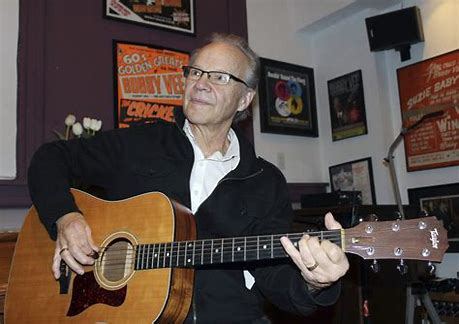
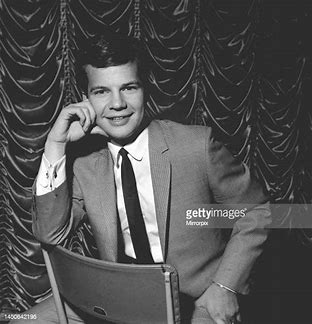
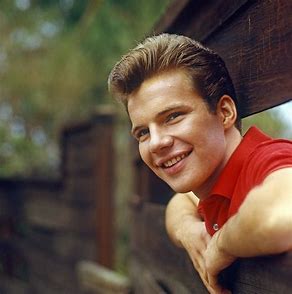
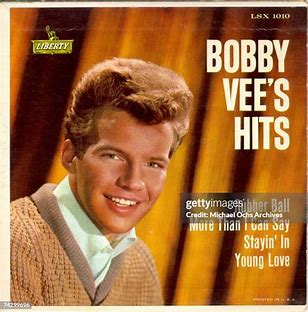
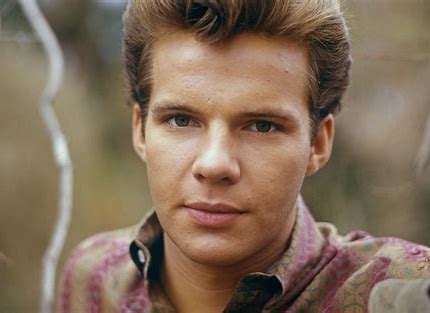
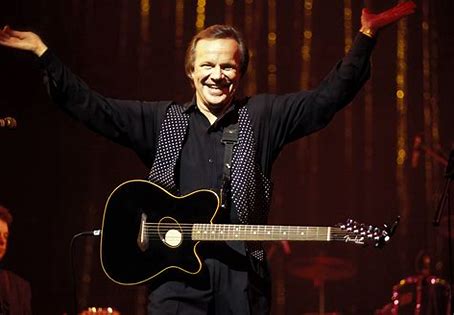
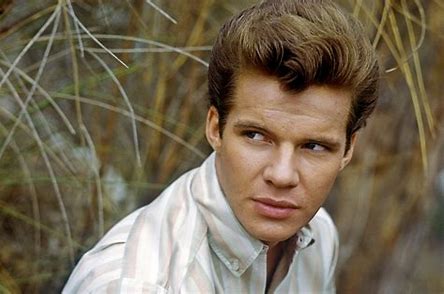
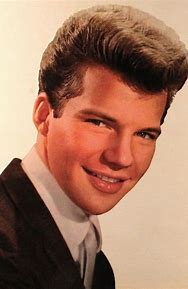

Full Name: Robert Thomas Velline
Born: April 30, 1943 – Fargo, North Dakota, USA
Died: October 24, 2016 – Rogers, Minnesota, USA
Genres: Pop, Rock and Roll
Instruments: Vocals, Guitar, Piano
Years Active: 1959–2011
Labels: Liberty Records, United Artists, Rockhouse Records
Early Life
Robert Thomas Velline—later known to the world as Bobby Vee—was born in Fargo, North Dakota, to a musical family of Norwegian descent. He grew up surrounded by music and developed an early interest in singing and playing guitar. His life would change forever on February 3, 1959—“The Day the Music Died”—when Buddy Holly, Ritchie Valens, and The Big Bopper perished in a plane crash near Clear Lake, Iowa.
When the local promoters scrambled to fill the lineup for the next stop on the tour in Fargo, 15-year-old Bobby and his hastily-formed group, The Shadows, stepped in—marking the beginning of his music career.
Career Highlights
Soon after that fateful night, Bobby Vee began recording and landed a contract with Liberty Records. His big break came in 1960 with the hit single:
“Devil or Angel” (1960) – a remake of the Clovers’ tune that shot him into teen-idol status.
He followed this with a string of hits that defined early ’60s pop:
“Rubber Ball” (1961)
“Take Good Care of My Baby” (1961) – a #1 hit written by Carole King and Gerry Goffin
“Run to Him” (1961)
“The Night Has a Thousand Eyes” (1963)
Bobby Vee placed 38 songs on the Billboard Hot 100, making him one of the most successful teen idols of the pre-British Invasion era.
Musical Career
Vee’s sound was clean, melodic, and heartfelt—a perfect match for the early 1960s pop aesthetic. With his boyish good looks and smooth vocals, he appealed widely to teenage girls while maintaining enough musical credibility to impress critics and adult audiences alike.
He worked closely with some of the most respected songwriters of the era, including Brill Building legends like Goffin & King, and recorded many of his tracks in the legendary Studio B in Hollywood.
An interesting footnote: a young Bob Dylan briefly played piano in Vee’s backing band early on under the name Elston Gunn. Dylan later spoke admiringly of Vee’s talent and humility.
Film/TV Work
Bobby Vee appeared in a handful of teen films during the early 1960s, such as:
“Swingin’ Along” (1961)
“Play It Cool” (1962)
He was also a frequent guest on variety and music shows, including American Bandstand, Shindig!, and The Ed Sullivan Show, helping to cement his presence in American households.
Later Years
Though the British Invasion changed the musical landscape, Vee continued performing, recording, and touring well into the ’70s and ’80s. He remained especially beloved in Europe, where he enjoyed a strong following.
In the 1990s and 2000s, he shifted into nostalgic circuit tours, performing with fellow artists of the era and maintaining a loyal fan base. He also ran Rockhouse Productions, a music studio and label with his family in St. Joseph, Minnesota.
His final studio album, “The Adobe Sessions” (2014), was a heartfelt, stripped-down collection of songs recorded after his Alzheimer’s diagnosis, featuring input from his children and longtime bandmates.
Health Struggles
In 2011, Bobby Vee publicly announced that he had been diagnosed with early-onset Alzheimer’s disease. He gracefully stepped away from the stage and spent his final years surrounded by family and music. His last recordings and appearances were a testament to his enduring spirit and love for performing.
He passed away in 2016 at age 73, leaving behind a legacy of warmth, professionalism, and timeless pop craftsmanship.
Cultural Impact and Legacy
Bobby Vee was a pivotal figure in early 1960s American pop, bridging the gap between Buddy Holly’s rock and roll roots and the polished Brill Building sound. He wasn’t just a teen idol—he was a singer of depth and sensitivity, and one of the genre’s most consistent hitmakers.
His influence extended to:
Bob Dylan, who cited Vee as one of the kindest and most talented people he worked with early in his career.
The continued use of Vee’s songs in film, TV, and nostalgic compilations celebrating the early rock era.
A 2011 tribute album and his family-run foundation have helped raise awareness and funds for Alzheimer’s research, ensuring that Bobby Vee’s name is tied not only to music but to compassion and advocacy.