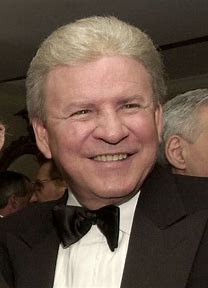
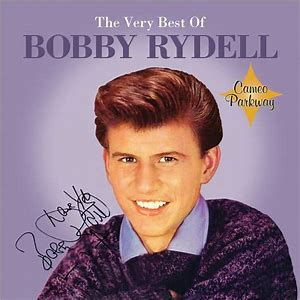
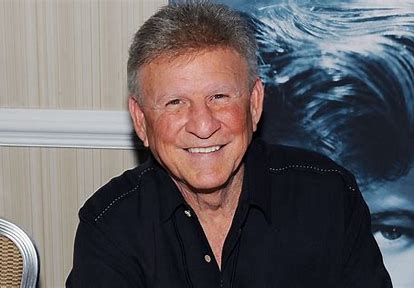
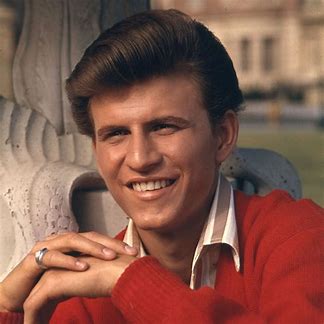

Full Name: Robert Louis Ridarelli
Born: April 26, 1942 – Philadelphia, Pennsylvania, USA
Died: April 5, 2022 – Abington, Pennsylvania, USA
Genres: Rock and Roll, Traditional Pop, Teen Idol Music
Instruments: Vocals, Drums
Years Active: 1958–2022
Labels: Cameo-Parkway, Capitol Records
Early Life
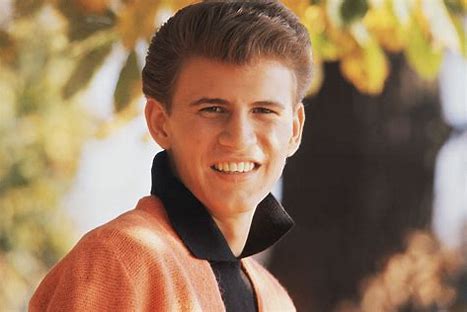
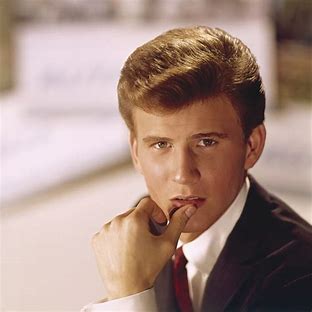
Born and raised in South Philadelphia to a working-class Italian-American family, Bobby Rydell showed musical talent from a young age. He won a local TV talent show at age 9 and soon became a regular on Paul Whiteman’s TV Teen Club. He was heavily influenced by swing and big band music, especially the likes of Frank Sinatra and Gene Krupa. Though he started as a drummer, his natural charisma and vocal ability pushed him into the spotlight.
Career Highlights
Bobby Rydell’s career skyrocketed in the late 1950s when he signed with Cameo Records, part of the Philadelphia-based teen idol machine that also produced Frankie Avalon and Fabian. His breakout hit, “Kissin’ Time” (1959), launched him into stardom, followed by a string of Top 10 hits throughout the early 1960s, including:
“We Got Love” (1959)
“Wild One” (1960)
“Swingin’ School” (1960)
“Volare” (1960) – a lively cover of the Italian standard
“The Cha-Cha-Cha” (1962)
“Forget Him” (1963) – one of his last big chart successes
By 1961, he had become one of the most popular teen idols in America, with regular appearances on American Bandstand, and was even the youngest performer to headline the Copacabana in New York at age 19.
Musical Career
Rydell’s musical style was a hybrid of rock and roll, swing, and pop crooning. Unlike many of his contemporaries, he had genuine vocal chops and strong musicianship. He often bridged the gap between big band sensibility and youth culture, delivering energetic yet polished performances.
His Italian-American background and natural showmanship gave him an edge in versatility. He could rock a sock-hop or belt out a standard with equal flair, earning admiration from both teen fans and older audiences.
Film/TV Work
In 1963, Rydell made his film debut in “Bye Bye Birdie,” playing Hugo Peabody opposite Ann-Margret and Dick Van Dyke. Though the role was modest, it placed him in Hollywood’s teen-idol elite and cemented his crossover appeal.
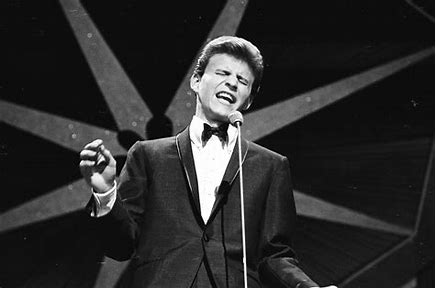
He also made numerous TV appearances throughout his career on variety shows like The Ed Sullivan Show, The Red Skelton Hour, and later, nostalgic programs and PBS specials celebrating the golden era of rock and roll.
Later Years
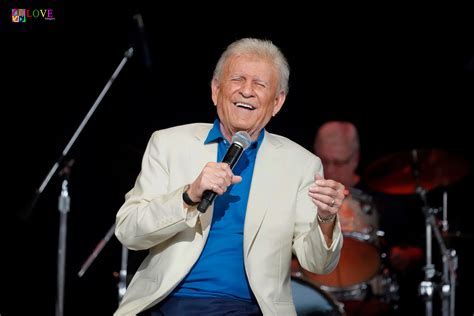
Though the British Invasion shifted pop culture and slowed his chart success, Rydell remained active as a live performer. He toured with “The Golden Boys”—a popular nostalgia act formed in the 1980s with fellow Philly idols Frankie Avalon and Fabian. Their shows sold out across the country, keeping their legacy alive with multiple generations of fans.
He continued recording into the 2000s, even releasing “Now and Then” in 2010—a reflective blend of re-recorded classics and new material.
Health Struggles
Rydell faced serious health challenges later in life. In 2012, he underwent a double organ transplant (liver and kidney). The surgeries were successful, and he returned to performing less than six months later, calling the experience a second chance at life. He became a vocal advocate for organ donation.
Despite occasional health setbacks, he remained active and sharp-witted well into his 70s.
Cultural Impact and Legacy
Bobby Rydell was more than a teen idol—he was a bridge between the big band era and early rock and roll, and one of the most enduring figures of 1960s pop. His clean-cut image and musical versatility made him a mainstay on the charts and onstage.
His legacy is also woven into pop culture:
The high school in “Grease” was named Rydell High in his honor.
His smooth vocals and swing-infused rock influenced performers like Paul Anka and early Neil Sedaka.
In Philadelphia, he is remembered as part of the city’s golden generation of pop artists.
When Bobby Rydell passed away in 2022 at the age of 79, fans and peers alike mourned the loss of a true showman, a humble gentleman, and a voice that helped define a generation.